Updated in 2026
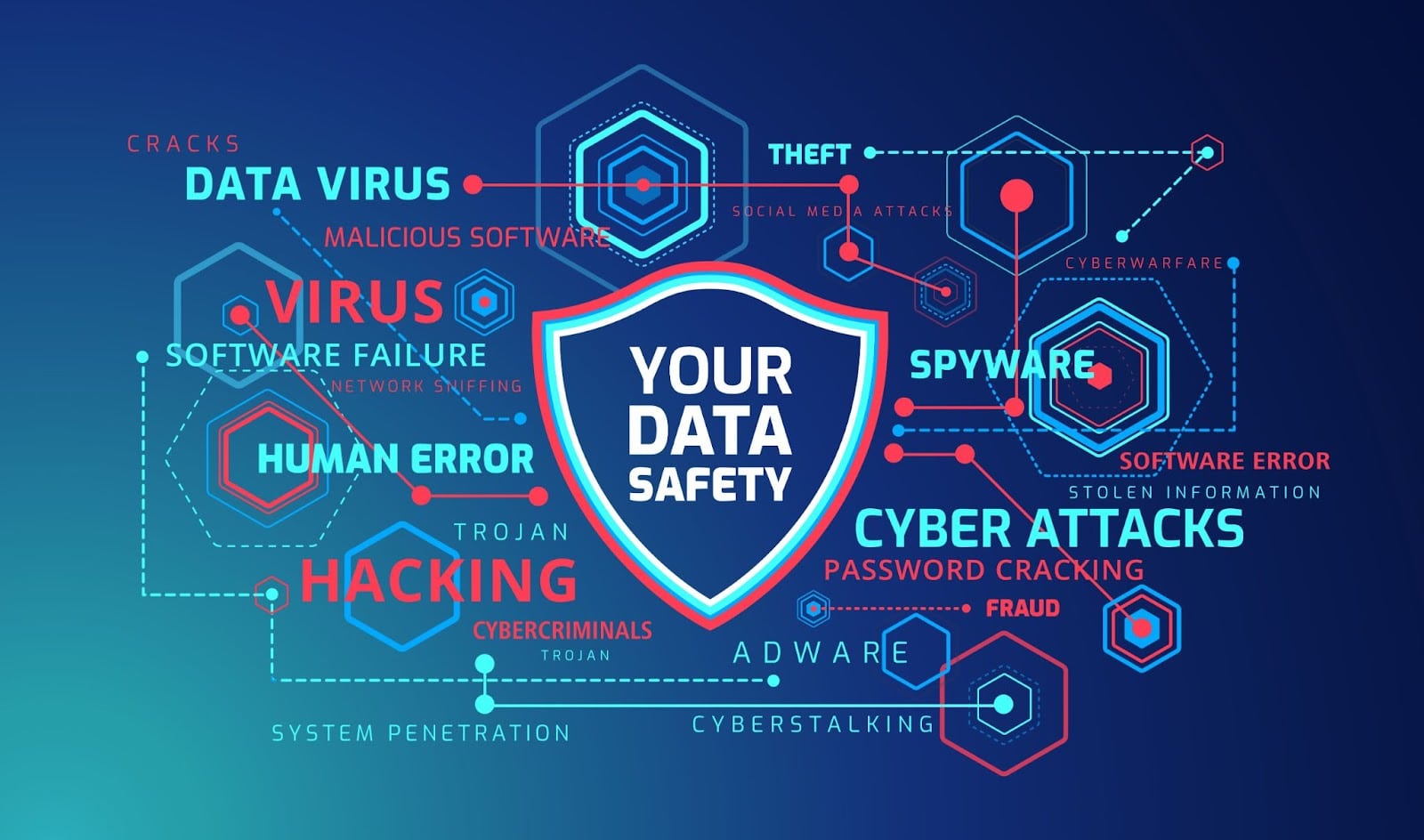
The shift to remote work during the COVID-19 era created an expanded attack surface, and threat actors adapted faster than most organizations could respond. While companies scrambled to support distributed teams, attackers refined phishing techniques, expanded ransomware operations, and exploited cloud misconfigurations at scale.
Below are the top cyber security threats organizations faced in 2021 and the foundational reasons they became so impactful.
Five Key Points
- Remote work opened new vulnerabilities across identity, devices, and collaboration tools.
- Phishing and ransomware remained dominant because attackers increased automation and precision.
- Rapid cloud adoption introduced new risks, especially misconfigurations and insecure access.
- Insider threats grew due to disrupted workflows and limited oversight.
- IoT devices and deepfake technology expanded the attack surface in unexpected ways.
5 Why’s
- Organizations rapidly deployed remote systems without fully securing endpoints, access controls, or communication platforms.
- Threat actors shifted to platforms beyond email, targeting Slack, Zoom, and messaging tools workers trusted.
- Cloud adoption surged faster than security teams could adjust, leading to misconfigurations and exposed data.
- Remote employees unintentionally created insider-risk conditions, from poor password hygiene to unsanctioned file sharing.
- IoT adoption outpaced security practices, creating unmanaged devices that became easy entry points for attackers.
1. Phishing Attacks
Phishing remained one of the most effective attack methods in 2021. The rise of remote work forced organizations to rely heavily on tools like Zoom, Slack, Teams, and cloud-based email. Attackers quickly adapted, crafting messages that imitated collaboration platforms instead of traditional email providers.
Most employees had only been trained to spot email-based phishing, not impersonation attempts within work apps. This enabled attackers to bypass human defenses and gain initial access to networks through credential theft or malware delivery.
2. Ransomware
Ransomware operations evolved into full-scale criminal enterprises. Attackers shifted from simple encryption to double extortion, stealing data before locking systems. Organizations faced ransom demands not only to regain access but also to prevent leaked customer records, financials, or private communications.
As ransomware affiliates consolidated, fewer—but significantly more capable—groups dominated the threat landscape. Their techniques became more systematic, stealthy, and financially motivated.
3. Cloud Jacking
Cloud adoption accelerated during the pandemic, but many teams lacked deep expertise in securing cloud infrastructure. Cloud jacking—where attackers infiltrate cloud environments and manipulate data or access controls—became increasingly common.
Misconfigured storage buckets, exposed credentials, and inadequate identity policies made it easier for attackers to intercept communications, exfiltrate sensitive files, or take over entire cloud environments.
4. Exploitation of Remote Work
The sudden shift to remote operations created widespread gaps:
- Weak endpoint protection
- Poorly configured VPNs
- Inconsistent patching
- Increased dependence on personal devices
- Expanded identity attack paths
Attackers exploited these conditions using thread hijacking, credential stuffing, and remote access abuse. Organizations that enabled telework quickly—but not securely—saw the most impact.
5. Insider Threats
Insider risks increased as employees worked from home with less supervision, more autonomy, and wider access to internal resources. Insider threats ranged from intentional sabotage to accidental exposure caused by:
- Mishandling sensitive files
- Using personal devices
- Falling for phishing attempts
- Sharing credentials informally
Larger organizations with complex access layers felt the greatest impact.
6. Internet of Things (IoT) Devices
Smart locks, cameras, thermostats, and voice assistants flooded workplaces. Most IoT devices lacked proper security controls, shipped with default passwords, or received infrequent updates.
As more business data passed through connected devices, attackers targeted these weakly protected endpoints to gain footholds into internal networks.
7. Deepfakes
Deepfake technology evolved rapidly, allowing attackers to generate synthetic voices, images, and videos of company executives or employees. These were used to support advanced phishing attacks, fraudulent payment requests, or social engineering campaigns.
Deepfakes made impersonation more convincing, which placed additional pressure on organizations to verify requests and train employees to identify manipulation.
Infobox Summary
Cyber threats in 2021 were driven by rapid digital transformation, the expansion of remote work, and the increased sophistication of threat actors. Attackers focused on identity, cloud misconfigurations, ransomware monetization, and social engineering techniques that exploited human trust. Organizations that lacked strong access controls, mature cloud governance, or remote-work security practices faced the highest risk. Strengthening visibility, training, identity management, and cloud security emerged as critical strategies for reducing exposure.